


There’s a unique magic in starting a new story. The blank page holds all the potential in the world, brimming with possibilities, but it can also feel a bit daunting. For those of us who’ve felt the nervous thrill of a new idea, we know it’s as exhilarating as it is intimidating. That moment when you decide to start—really start—is where the journey begins. Today, I want to share my own story and the tips I’ve gathered for taking that first step with confidence.
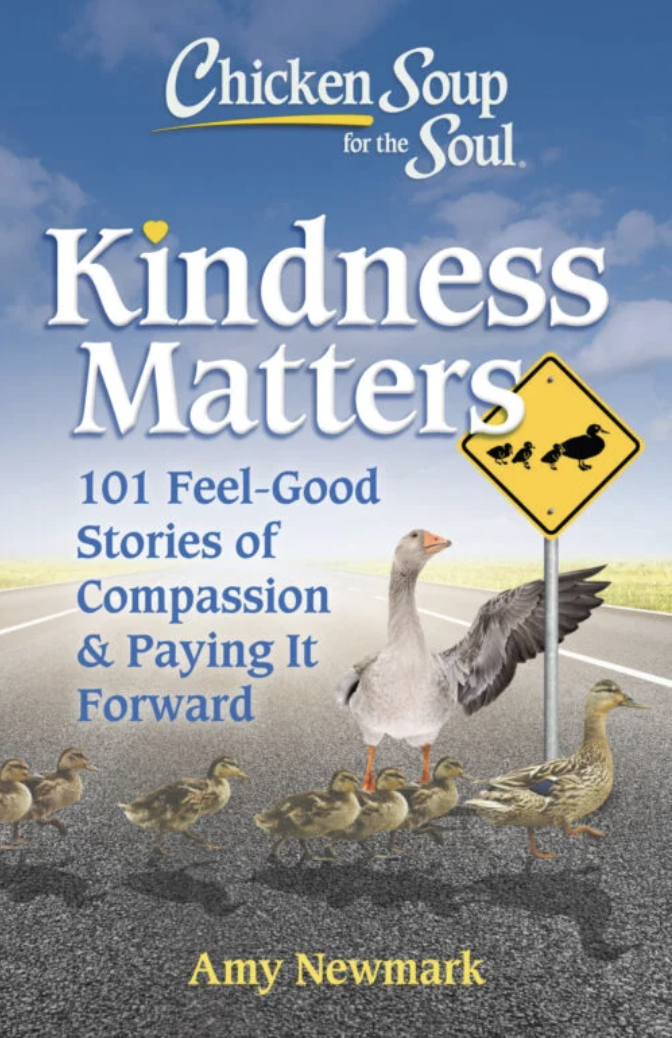
Two and a half years ago, I had my first short story published. It was a milestone, a moment that solidified my passion for writing. But shortly afterward, my mother passed away, and everything changed. The grief was overwhelming. I felt paralyzed, my pen sat gathering dust on top of my notebook as I navigated not just the grief, but also the rollercoaster of parenting, all while living far from the support of my family. It took me two years and 2 months to pick up a pen again and really return to that blank page. I had some false starts like when I attempted to create a blog last year in May only to experience some setbacks in my family life that sent me running from my laptop until May of this year. Looking back, I think it was a combination of determination and an inspiring push from a surprising source that helped me find my way back to writing.
Finding Inspiration in a New Way

One day, I found myself watching a lesson from Michael Lewis on the MasterClass platform, about his approach to storytelling. It left a profound impact on me. I absolutely love Master Class; each lesson feels like a treasure trove of wisdom. Lewis’s lesson particularly resonated with me when he spoke about storytelling as a muscle: “If you develop it, it ends up affecting your whole life. It ends up improving your whole life.” It was like he gave me permission to see storytelling as something that could permeate every part of my existence, beyond just my time spent writing.

What struck me most was how Lewis finds and organizes his ideas. He mentioned his process of collecting intriguing moments, conversations, and observations he encounters in his day-to-day life. He keeps two piles of manila folders in his office: a “hot pile” for projects he’s actively working on—podcast episodes, a potential book, and a TV show idea—and a “cold pile” for ideas that inspire him but aren’t yet ready for development. This system of organizing ideas gave me a fresh perspective on how to approach my writing.
Inspired, I decided to try my own version of the “hot and cold” folders. Previously, I had used my phone’s notes app to jot down ideas, but there was something grounding about writing them on paper, then tucking each page into a manila folder, and letting them physically exist in my creative space. The result? I ended up with 17 manila folders each with a story idea that had been floating around in my mind. Putting each one onto paper and then slotting them into their own file folder, gave me a sense of clarity, and it was like clearing space for my current project which is a middle-grade novel for kids, set to be around a 30,000-word adventure.
Here are my tips:

Tip #1: Embrace the Blank Page
Starting a new story means embracing the unknown. The blank page isn’t there to intimidate you; it’s there to invite you. When I sat down to start writing again, I reminded myself that the page was a safe space to explore. Try this: when you feel that initial hesitation, take a deep breath, relax, and remind yourself that no one else needs to see these first words. If you want to give it a name call it “The Sh#%$y first draft!” like my favorite motivational speaker Mel Robbins does. That first page is for you, and it’s okay to write imperfectly, to stumble, and to edit later. The most important thing is to begin.
Tip #2: Collect and Organize Your Ideas
If you’re anything like me, ideas often come at the most random times. I keep them on my phone, and then transfer them to paper and then it’s own manila folder once I get home. Give yourself a place—whether physical folders or a digital equivalent—to store your ideas. Label them “hot” and “cold” if it helps, and revisit them periodically. I find that having these ideas safely stored brings a surprising amount of mental clarity. I can focus on my current story without the worry of losing a random spark of inspiration.
Tip #3: Find Joy in the Process, Not Just the Goal
Writing can feel daunting when you only focus on the end goal. Instead, try to find joy in each part of the process. I’ve realized that there’s a beauty to writing beyond just completing a story; it’s in each sentence, every paragraph, and the moment a character’s voice starts to feel alive. Finding joy in these small moments helps keep me motivated and reminds me that writing is about discovery, not perfection.
Tip #4: Set Manageable Goals
When I started my current novel, aiming for a full 30,000-word manuscript felt overwhelming. Instead, I broke it down into smaller goals: a chapter at a time, then a scene at a time. Each goal felt achievable, like stepping stones across a river. Setting smaller, manageable goals allows you to make consistent progress without feeling overwhelmed.
Tip #5: Stay Open to Learning
Writing, like any craft, benefits from lifelong learning. Watching the MasterClass sessions has been enlightening, but there are so many other resources—books, podcasts, writing groups—that can help deepen your understanding and keep your creativity fresh. Learning about new storytelling techniques, different structures, or even listening to authors discuss their creative processes can reignite your passion.
Tip #6: Trust Yourself and Your Voice
Your voice as a writer is unique, shaped by your experiences and insights. Sometimes it’s easy to doubt ourselves, wondering if our words are good enough. Trust yourself and the stories you’re meant to tell. I struggled with this after taking a long break from writing, fearing that maybe I’d lost my touch. But every time I sat down and trusted my words, I found that my voice was still there, waiting.
Tip #7: Make Writing a Habit, Even If It’s Small
Life is full of demands, and finding time to write can be challenging, especially as a parent. Start small—just 15 minutes a day, if that’s all you can manage. By making writing a regular part of your routine, you begin to build that storytelling muscle, as Michael Lewis suggested. And each day, it becomes a little easier to sit down and let the words flow.
Moving Forward with Confidence

If there’s anything I’ve learned in this journey back to writing, it’s that each word is a step forward. Writing is both a joy and a challenge, a chance to create worlds and explore parts of ourselves we might otherwise ignore. For anyone feeling hesitant or intimidated by the blank page, know that you’re not alone. There’s magic in that blank page, and you’re more than ready to fill it.
I hope these tips give you the confidence to take that first step. Writing has changed my life in profound ways, and I know it can be transformative for anyone willing to start. Remember, the first word is just the beginning—trust yourself, embrace the journey, and let your story unfold.
Happy Reading Friends,
Love,
Emma
 EmmaCohan.com