
February does not whisper. It celebrates. It spotlights. It elevates. And in doing so, it invites us to examine our relationship with visibility itself. This Sunday’s essay turns toward that question — what it means to be seen, and whether being seen is the same as being known.

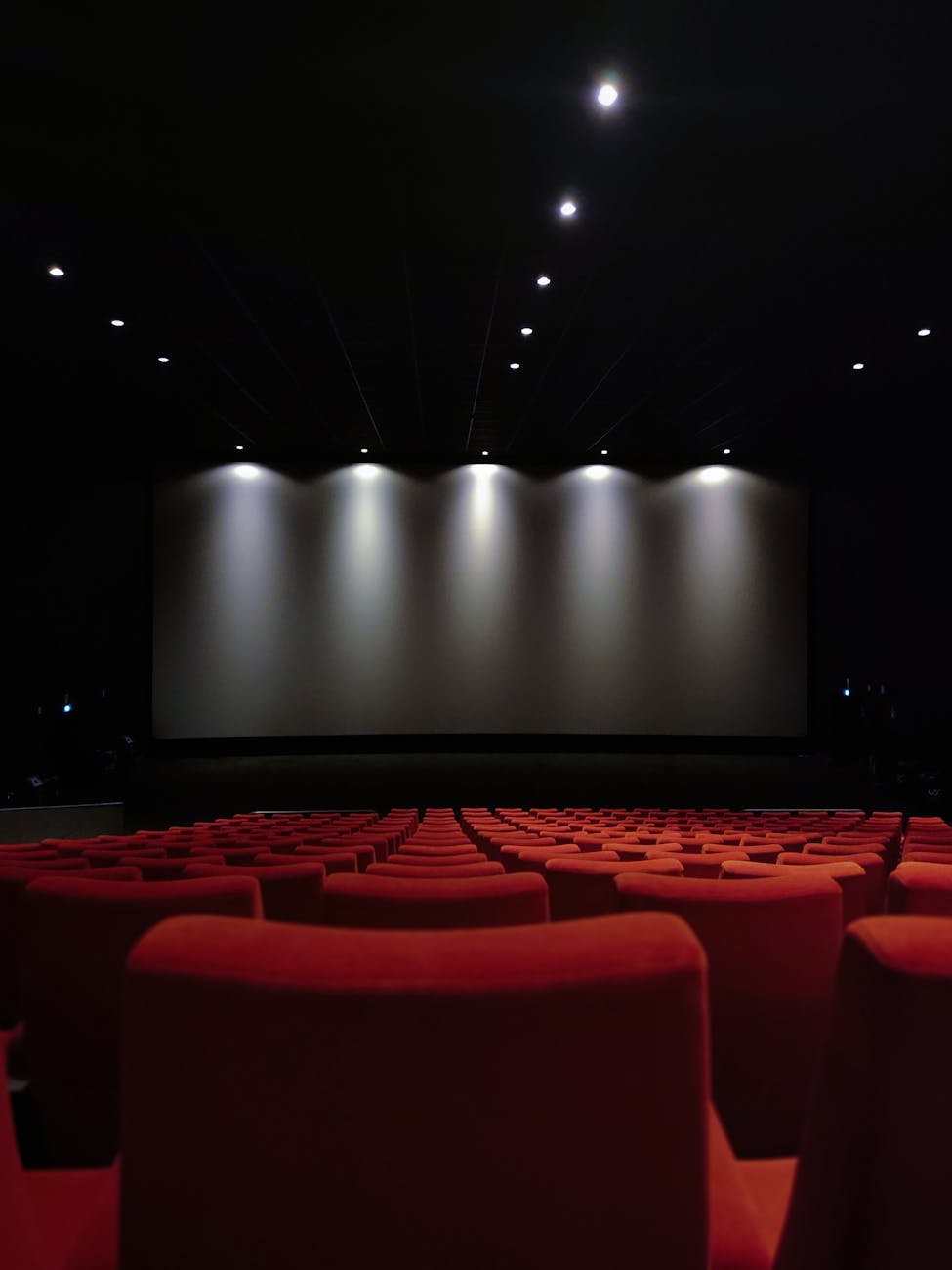
The Stage & The Spotlight
(Performance before intimacy)
February carries its own kind of brilliance.
Screens glow in living rooms across the country. Stadiums erupt. A single play can shift momentum for millions watching at once. Cameras cut from the field to the stands to the halftime spectacle, each frame calibrated for impact.
A few days later, storefronts bloom in crimson. Prix fixe menus sell out. Bouquets are exchanged with the quiet understanding that love, too, has an audience. Photos are angled carefully. Candles lit not only for warmth, but for evidence.
Then a long weekend arrives. Offices close. Flags rise. Speeches replay. History is distilled into something ceremonial — leadership remembered in portraits, complexity softened into legacy.
This month understands presentation.

We gather around victories. Around romance. Around remembrance. We participate in the ritual of celebration. We post. We applaud. We curate our own participation in what is publicly valued — triumph, devotion, patriotism, success.
And beneath all of it, a quieter question waits.
What does it mean to be seen?
Visibility is powerful. It affirms. It gathers attention. It suggests significance. To be watched — whether by thousands or just a small circle — can feel like validation. It can feel like proof that we matter.
But visibility is not the same as intimacy.
The quarterback still wakes up the next morning.
The couple still has to talk after dessert.
The country still has to live inside its unfinished chapters.
Performance can be exhilarating. There is beauty in collective moments — the synchronized breath before a kickoff, the swell of music during a halftime show, the clink of glasses across a crowded dining room. Shared spectacle connects us.
Yet spectacle is selective.
We see the winning drive, not the years of repetition behind it.
We see the anniversary post, not the difficult conversations that made it possible.
We see the commemorative speech, not the moral tension beneath it.
We are fluent in highlight reels.
And increasingly, we create our own.
Not just on major holidays, but in everyday life. We edit our reactions. We frame our milestones. We choose the lighting before we choose the words. We share the polished version because it feels safer. More contained. More admired.
We show the toast.
We crop the silence.
We publish the applause.
It happens subtly. The performance of competence. The performance of happiness. The performance of harmony. We learn what earns approval and repeat it. We smooth what feels complicated. We manage perception.

There is nothing inherently wrong with presentation. We are storytellers by nature. We make meaning through framing. Celebration has its place.
But something shifts when performance replaces presence.
When we begin to measure our lives by reaction.
When affirmation becomes the metric.
When we fear being ordinary without witnesses.
The most transformative moments rarely unfold under bright lights. They happen offstage.
The apology offered without an audience.
The boundary set without announcement.
The forgiveness extended without public acknowledgment.
The discipline to remain aligned when no one is watching.
No confetti falls for those choices. No halftime show interrupts to honor them. No floral arrangement commemorates them.
And yet they shape us more profoundly than any trophy.
February, with all its ceremonies and celebrations, offers an interesting contrast. Public brilliance alongside private reality. Grand gestures alongside quiet integrity. National memory alongside lived complexity.
Perhaps the deeper invitation of this season is not simply to participate in spectacle — but to examine our relationship to it.
Where am I performing instead of participating?
Where have I confused attention with connection?
Where am I curating something that actually needs honesty?

There are stages we must step onto. Roles we carry with responsibility. Moments worthy of recognition. But there must also be spaces where we are not required to impress. Where love is not photographed. Where leadership is practiced in small, unseen decisions. Where success is defined internally.
Being seen is powerful.
Being known — without performance — is transformative.
And the life that sustains us is rarely the one under the brightest lights.
Until next time…
May your Sundays be unhurried, your reflections gentle, and your heart open to the stories still waiting to unfold.
I’ll meet you again between the lines.
Love,
Emma
You must be logged in to post a comment.